
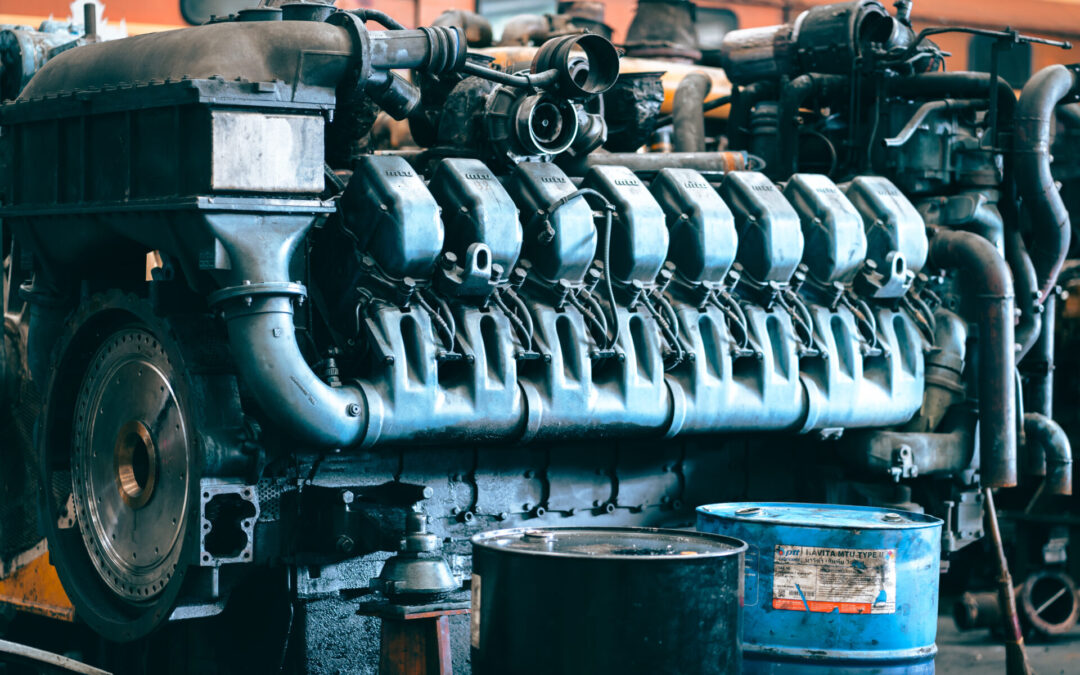
Diesel generators are of the utmost importance for numerous businesses and industrial sites. Marine operations also make use of these machines to ensure an uninterrupted power supply. A generator is especially handy during power outages. In any case, operators often test their generators only under normal running conditions. This approach sometimes leaves potential faults undetected that would otherwise have been tracked and fixed during generator repair in Scotland.
The best way to determine a generator’s condition is to conduct load bank testing. Fundamentally, it replicates real-life operating conditions, allowing engineers to identify performance issues quickly. The purpose is to put the generator under controlled stress so that it does not break down at the most unexpected moment.
What You Should Know About the Load Bank Testing Process?
As already mentioned, load bank testing is a simulation. It involves connecting a generator to a resistive or electronic load device that mimics the demands the machine would face in actual use. During the simulation, technicians analyse the engine’s performance under partial load conditions.
The test determines whether every component operates correctly under stress. Everything from the engine and alternator to the fuel system and cooling system is stress-tested. Load bank testing is particularly beneficial for generators that stay on standby most of the time. These units tend to develop issues that only appear when under load.
Testing Prevents Costly Repairs
An infrequently used generator can suffer from fuel and component degradation, as well as condensation. These issues stay hidden as long as the generator stays idle. However, these problems can be exposed by load bank testing.
Engineers can schedule preventive maintenance after identifying the early signs of voltage irregularity, overheating, or cooling inefficiency. Or, they can simply call for professional generator repair in Scotland. In any case, a proactive approach is what you need because it reduces the possibility of major failures. Otherwise, operations would be hampered.
Advantages for Commercial and Industrial Users
A downed generator may cause serious trouble for industrial sites, data centres, hospitals, and marine operators. Thankfully, there is load bank testing to confirm whether backup power will function as expected during emergencies.
Regular testing also makes you compliant with safety requirements and operational standards. It is a benchmark for any business that uses multiple generators or intricate power systems. With the results, you can compare performance and schedule maintenance work.
Generator Testing Frequency
How often you may need load bank testing depends on how frequently you use the generator. Inspection frequency also depends on the machine’s age and operating conditions. Standby generators may need to be tested multiple times a year, whereas the ones operated continuously may need to be inspected less frequently. In any case, a professional service provider is your best bet. They can advise you on the optimal schedule to reduce costs and maximise reliability.
At a glance, load bank testing may seem like any other diagnostic tool. In reality, it is a crucial part of a preventative maintenance approach. It lets technicians simulate real-world loads to segregate faults that would otherwise affect operations. So, if you need generator repair services in Scotland, contact En-Gen Diesels Ltd. Established in 2015 by two diesel engineers, our company specialises in repairing diesel engines in generators, industrial equipment, or marine equipment. We are an established business based in the Glasgow area.
Get in touch with us today.